Why your sleep never went back to normal after kids…
Listen to Episode 11
After my second was born, I would lie in bed for two full hours trying to fall asleep. The house would be quiet. The baby monitor would be silent. My boys were finally sleeping through the night. And yet, my body wouldn’t.
I wasn’t nursing anymore. I wasn’t getting up for feedings. I wasn’t even being woken by crying. I was desperate for sleep, but my nervous system didn’t get the memo. Between two postpartum seasons and a demanding, “always on” career, it had been trained for disruption.
If you’re a working mom who technically could sleep now but still can’t, …well, misery loves company. Does it help knowing I lived it for years? Like me, your body has probably just adapted to survival mode and hasn’t yet learned how to stand down.
The punchline if you’re short on time …
Postpartum sleep disruption often becomes conditioned insomnia, even after children sleep through the night.
Modern work burnout compounds sleep struggles by keeping cortisol elevated long after bedtime.
Resetting your circadian rhythm requires consistency (think: same sleep time, same wake time, morning light exposure, etc.).
Deep sleep (not total hours) determines cognitive resilience, hormone regulation, and stress recovery.
Fixing sleep after kids is less about willpower and more about retraining your nervous system.
Sleep is not a luxury, it’s a foundational human need. Please don’t shrug it off as just “not being a good sleeper”.
What actually happens to your sleep after kids?
The cruelest thing about pregnancy disrupting your sleep is the sleep-deprived whiplash you get from your sweet little newborn. And, night after night, your soul slowly gets crushed knowing how long it will be until you’ll actually get proper sleep, leaving your spirits absolutely demolished.
But what no one explains is that even after your children start sleeping, your body may still expect interruption. Your nervous system has just become conditioned to staying alert.
And if you’re a high-achieving working mom, add modern work burnout to the mix – constant availability, mental load, leadership pressure, etc. That cognitive hum doesn’t shut off just because the lights do. Grinding it out at work chronically inflates your cortisol, which is like your nervous system strapping on boxing gloves to a body desperate for sleep.
So, the next thing you know, you develop sleep anxiety…the quiet fear of not being able to fall asleep (ask me how I know) and your body never fully re-enters restoration mode.
What is a circadian rhythm reset and why does it matter?
A circadian rhythm reset is the practice of re-training your body’s internal clock through consistent behavioral cues. It relies on predictable sleep and wake times, natural light exposure, and nervous system regulation. It sadly is not about forcing sleep (trust me, I tried!). Instead, it’s about restoring your body’s default biological timing.
When your rhythm is off, your body releases stress hormones at the wrong time. But when it’s aligned, melatonin rises predictably and deep sleep becomes accessible again. …or something like that. I’ve learned all of my sleep wisdom from my firsthand experience and the collective wisdom of many smart people who came before me who did actual clinical research on this stuff. I’m merely synthesizing the CliffsNotes for you.
I experienced severe compounding stress on an already overwork nervous system. And after years (plural) of only getting a few hours of sleep a night, I sat in my general physicians’ office, unloaded my recent life history, and declared war on my problems. That was the turning point for me.
How I retrained my body to sleep again:
I’m not a medical professional. But I invested time, money, and attention into fixing my own sleep struggles after kids, and these are the levers that moved the needle most.
1. Consistent sleep and wake time
Think same bedtime and same wake time….even on weekends (a real dagger, I know!).
Then (and very importantly), within minutes of waking, head outside and get ten minutes of natural light exposure. This means you cannot wear a hat or sunglasses, which was truly painful for Yours Truly and my sensitive blue eyes. It’s important to let your eyes and brain fully register morning. It sounds simple, but it works.
2. Nervous system regulation before bed
I pulled out all of the stops here. Specifically, I:
Invested in an Apollo Neuro, which is a sleep and nervous system regulating tool. I am convinced that this and resetting my circadian rhythm made the biggest difference. I swear by it so much that I asked for an affiliate link. Use coupon code COURTNEY4 for $60 off.
Did “Legs Up the Wall” pose two hours before you intend to turn out the lights. This helps you clear your lymph nodes without over-activating your bladder at night.
Took a magnesium glycinate and applied it topically. (Note on topical: A little goes a long way. And, of course, consult your doctor on both of these, but this is the medical advice that was provided to me.)
Purchased a weighted blanket. I’m 120 lbs and double-over a 10lb Bearaby blanket. They’re a beautiful and chunky knit!
Turned on white or brown noise. Brown is superior (trust me!) if you can find an app that has it.
Listened to sleep meditation as I laid down and closed my eyes to quiet the sleep anxiety. A full body scan helped redirect my brain away from “how long is this going to take?” and toward physical grounding.
None of these are magic individually, but together, they signaled safety to my brain.
3. Deep sleep tracking
Most moms track steps, but very few track their own deep sleep.
Deep sleep is where stress hormones recalibrate, where your immune system strengthens, and where your emotional resilience (and therefore patience for your kiddos!) rebuilds.
When I began measuring deep sleep instead of total hours, I could see improvement objectively, which reinforced my pursuit and the process.
4. Reducing hidden cortisol drivers
This is where modern work burnout shows up again. If your brain stays in leadership mode until 10:30 p.m., no supplement fixes that.
I had to confront how much mental load I carried into bedtime by putting boundaries to protect my cognitive space (e.g., disengaging from late-night email and creating intentional wind-down routines).
Sleep doesn’t exist in isolation, but instead is a direct reflection of how you live your day.
Why sleep matters more than workouts
We love to tell ourselves we’ll “start exercising again.” But from a physiological standpoint, sleep sits lower on Maslow’s hierarchy than movement. It is foundational. Without adequate deep sleep:
Hormone regulation destabilizes
Cortisol remains elevated
Weight retention increases (!!!)
Emotional reactivity spikes
Cognitive performance drops
You simply cannot out-train exhaustion.
About the podcast episode
In Episode 11 of The Life Management System, I walk through my full sleep recovery journey after kids – from medication trials to nervous system retraining to practical tools that actually helped.
It’s honest, incredibly specific, and the conversation I wish someone had had with me five years earlier.
Related conversations you might find helpful
Episode 67: Why burnout sneaks up on high performers
Episode 72: How I designed my corporate workweek to protect my energy
Boundary Self-Check Quiz (a 3-minute self-assessment to give you clarity on where you’re leaking energy)
If your body still feels wired at night…
You are not weak.
You are not dramatic.
And you are not destined for decades of bad sleep.
Your nervous system just learned survival, but it can learn restoration, too.
Just start small. Listen to this episode to get my full sleep playbook and let it reinforce what your body already knows that rest is not indulgent. It is both intelligent and necessary.
Key insights
Sleep struggles after kids are often conditioned nervous system patterns, not permanent damage.
Modern work burnout quietly fuels insomnia by keeping cortisol elevated at night.
Circadian rhythm reset requires consistency, not perfection.
Deep sleep quality matters more than total hours in bed.
Sustainable performance begins with physiological restoration.
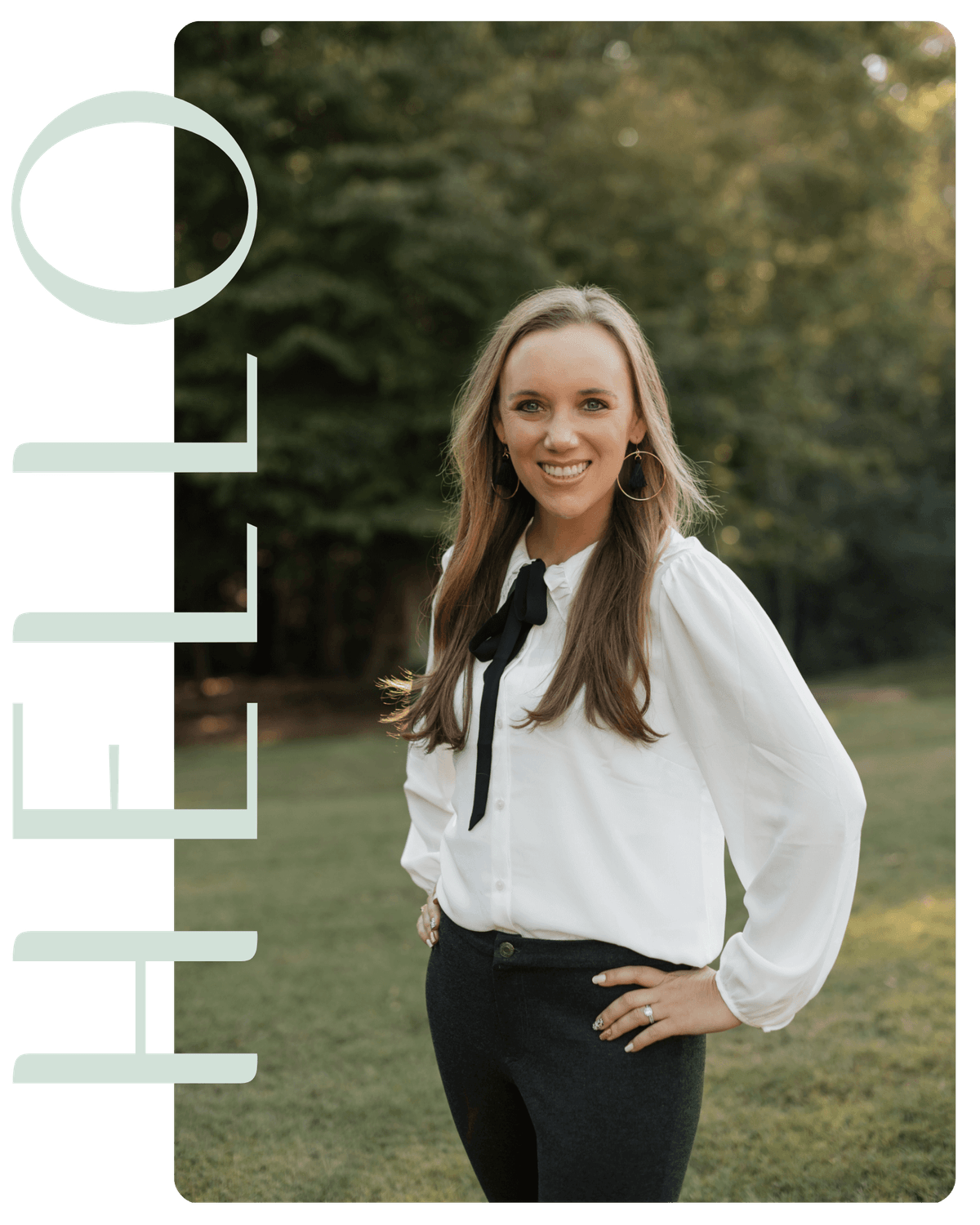
I'm Courtney
I am the founder of Working Moms Movement. I’m also a wife and mom of two boys, a former culture and organizational change executive, an avid traveler, and a lover of sparkling wine.
I help working moms go from stretched thin and stuck in their to-do list to in control and fully present for what matters in their career, family, and wellbeing. Most of my work lives at the intersection of burnout, boundaries, and sustainable performance, because life shouldn’t require running on empty to hold it all together.
Let's stay connected!



Start with clarity
TAKE THE BOUNDARY SELF-CHECK QUIZ
If something here feels familiar but you’re not sure what to do next, this is a simple place to begin. The Boundary Self-Check Quiz helps you see where your time, energy, and emotional bandwidth are quietly being stretched thin, often in ways you don’t even realize.
It’s designed to bring clarity, not add more to your plate.
Browse what's next...
Work Together
Helping working moms go from stretched thin and stuck in their to-do list to in control and fully present for what matters in their career, family, and wellbeing.
Follow Along
©2026 Working Moms Movement | Designed By Zestful Media & Design