How I designed my corporate workweek to protect my energy
Listen to Episode 72
I used to look at my calendar and think, “Why am I this tired when nothing looks that overwhelming?”
On paper, my schedule made sense. My meeting load was reasonable, I fit workouts in, and I had sufficient family time.
Yet, I felt constantly “on”. It was that feeling of always feeling slightly behind and depleted.
For a long time, I assumed that meant I needed to manage myself better. I was on this mission to make myself more disciplined, more efficient, and create systems to help me maximize my output (after all, productivity is what’s rewarded in corporate!).
But guess what happens when you get laid off? It helps you get realllllll honest about reality. And here was my truth:
My calendar was never broken. It was honest. And somewhere a Taylor Swift choir was singing, “Hi, I’m the problem it’s me” in the background.
I was stuck in a victim mindset and my calendar reflected how important I was. …and how much I was needed. But what it was really telling me was the story of what I valued in theory wasn’t actually reflected or protected in real life.
The punchline if you're short on time...
Here’s what this post will give you:
Why burnout can happen even when your schedule looks “reasonable”
How your calendar unintentionally trains your nervous system
What designing your workweek for energy actually means (and what it doesn’t)
The subtle habits that create executive burnout over time
A practical place to start without overhauling your life
When your calendar works against you…
There’s a misconception that burnout comes from one dramatic overload. Well, it doesn’t. In fact, it comes from small, repeated choices that slowly add up. And I fell smack in the middle of that trap!
I did things like…
…say “yes” out of habit. You want to meet to talk about this super unimportant project that is not at all a priority to me!? Sure! Why not.
…let my mornings fill up before I was even awake.
…allowed other people’s urgency to dictate my energy.
My calendar wasn’t just tracking time, but it was also training my nervous system. My days were unpredictable, reactive, and tightly packed, which kept my body in a low-grade stress response even though nothing was technically “wrong.”
I’ll be darned if that wasn’t the very thing that led to my burnout. And, of course, because it crept up on me, I didn’t have the clarity on what I was experiencing until after the fact.
This is the same reason so many other capable, responsible women feel exhausted while telling themselves they shouldn’t be.
What is "workweek design for energy"?
Workweek design for energy is the intentional structuring of your calendar around how you function best, not just what needs to get done. It prioritizes focus, recovery, and predictability so your workload becomes sustainable. Instead of optimizing for optics (e.g., availability, responsiveness, volume, etc.), you optimize for capacity, nervous system regulation, and long-term performance.
In essence, it’s not about doing less, it’s about leaking less.
Why high-performing women burn out even when their schedule “looks fine”
This is the part no one talks about. Your calendar can be technically balanced and still energetically draining because…
…context switching is exhausting
…constant accessibility fragments focus
…predictability regulates the nervous system
…invisible labor doesn’t show up in time blocks
Unfortunately though, so many capable women normalize these patterns. And we tell ourselves:
“It’s not that bad.”
"Other people handle more.”
“I should be grateful.”
Meanwhile, we’re slowly exceeding capacity.
Burnout isn’t always about hours. It’s about margin.
Designing a week around energy, not optics.
After my big layoff from my company of 16 years, I had the gift of starting fresh and had the great privilege of leading culture and engagement at a Fortune 50. This time, I did things different.
I was steadfast on my new start about putting first things first (i.e., my priorities!), putting boundaries in place, and protecting my peace. I didn’t design my workweek to look impressive, I designed it to be livable. That meant making decisions that prioritized energy over appearances and caring a little less about others’ perception about how I was spending my time. Think things like:
Choosing predictable office days so I could plan instead of react
Blocking mornings before 10:00am to protect my focus
Batching meetings so my brain wasn’t constantly switching contexts
Treating commutes, workouts, and even walking meetings as part of my system, not interruptions from it
None of this was about doing more. It was about strategically deciding what not to give away in a way that aligned with my needs this time. And I was conscientious about who and when I gave access to me. After all, the most draining part of modern work isn’t the workload itself, it’s the constant leaking of attention, responsibility, and availability.
Why this isn’t a productivity story…
I want to be clear about something: this isn’t a blueprint.
You don’t need my schedule.
You don’t need my routines.
You don’t need to copy how I structured my days.
What you do need, though, is permission to question the unintentional assumptions baked into your own calendar. The ones that say…
…being available equals being valuable
…reliability means saying ‘yes’
…if you can handle it, you should
Without being strategic with how you manage your calendar, and therefore your time, you – like me – are likely to burnout. And that doesn’t mean either of us are a failure. It just means our capacity was exceeded for too long without being protected. And sadly for me, this was a lived experience and a painful lesson learned.
About the podcast episode
In Episode 72 of The Life Management System, I walk through how I structured my corporate workweek and, more importantly, why. My goal was not to show what’s possible when you optimize harder, but to show what changes when you stop giving yourself away in invisible ways. So if you’ve ever felt like your schedule looks fine but feels heavy, this episode will hit.
A gentle place to start
Before you rewrite your calendar, start with awareness.
Where is your time leaking?
Where is your energy fragmented?
Where are you operating reactively instead of intentionally?
That’s why I created the Boundary Self-Check Quiz: a 3-minute clarity tool to identify where your calendar, habits, and expectations are quietly draining you.
🎧 Listen to Episode 72: How I designed my corporate workweek to protect my energy
🧭 Take the Boundary Self-Check Quiz
Just know this: You’re not tired because you’re doing it wrong (I promiseeeee!!!). You’re tired because you’ve been carrying more than you realize or were ever intended to.
Key insights
Burnout often stems from calendar design, not just workload.
A workweek designed for energy prioritizes capacity, not optics.
Predictability regulates your nervous system; reactivity drains it.
High-performing women burn out from invisible labor and over-accessibility.
Sustainable leadership requires intentional calendar boundaries.
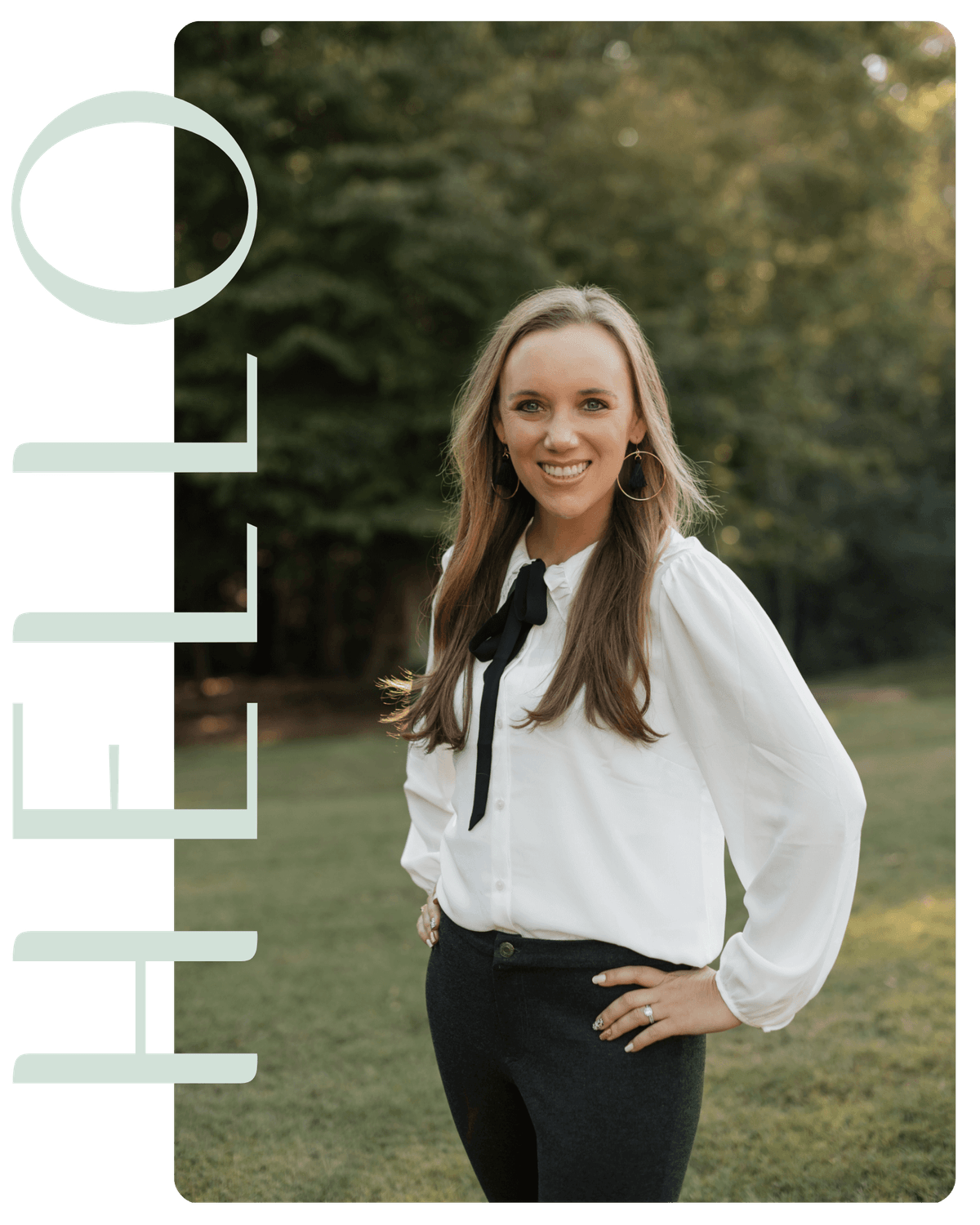
I'm Courtney
I am the founder of Working Moms Movement. I’m also a wife and mom of two boys, a former culture and organizational change executive, an avid traveler, and a lover of sparkling wine.
I help working moms go from stretched thin and stuck in their to-do list to in control and fully present for what matters in their career, family, and wellbeing. Most of my work lives at the intersection of burnout, boundaries, and sustainable performance, because life shouldn’t require running on empty to hold it all together.
Let's stay connected!



Start with clarity
TAKE THE BOUNDARY SELF-CHECK QUIZ
If something here feels familiar but you’re not sure what to do next, this is a simple place to begin. The Boundary Self-Check Quiz helps you see where your time, energy, and emotional bandwidth are quietly being stretched thin, often in ways you don’t even realize.
It’s designed to bring clarity, not add more to your plate.
Browse what's next...
Work Together
Helping working moms go from stretched thin and stuck in their to-do list to in control and fully present for what matters in their career, family, and wellbeing.
Follow Along
©2026 Working Moms Movement | Designed By Zestful Media & Design