Burnout doesn’t hit high performers all at once. It sneaks up quietly…
Listen to Episode 67
Burnout doesn’t usually arrive with a crash. Wildly, there’s also rarely a dramatic breaking point or moment where everything clearly falls apart. Instead, it sneaks in while you’re being “reliable:.
It starts with being capable.
Then dependable.
Then the person everyone goes to.
And one day, you’re exhausted wondering what’s wrong with you. That’s the version of burnout most high performers experience. And it’s exactly what we’re talking about in episode 67 of The Life Management System.
Why high performers mistake burnout for incompetence…
Recently, someone I work closely with told me she felt burned out. And the very next question out of her mouth was: “Do you ever feel incompetent?”
My heart sank. Because that question didn’t come from curiosity. It came from a story she was telling herself:
“I’m exhausted, so maybe I’m not capable.”
That connection (i.e., exhaustion = incompetence) is incredibly common, especially for high-performing women. But here’s the truth I want you to hear clearly:
Burnout is not a symptom of incompetence.
It’s a symptom of capacity being exceeded for too long without enough support.
If you were actually incompetent, you wouldn’t be burned out. You’d be disengaged. Checked out. Invisible!
Burnout happens because you care deeply and push past your sustainable limits. Burnout’s also a sign that you’re responsible, committed, and capable.
Burnout is about conditions, not capability.
One of the biggest mindset shifts I share in this episode is separating performance from working conditions. You can be excellent at what you do and be operating in an environment, role, or season that isn’t sustainable.
Burnout, at a high level, usually isn’t about ability. It’s about things like:
too much scope,
too little recovery time,
constant context switching,
invisible labor (especially for women), and
no margin for being a human being.
When basic needs (think Maslow’s Hierarchy of Needs – sleep, movement, nourishment) get squeezed out and exhaustion sets in, that’s your signal, my friend.
When high standards become the quiet driver of burnout…
Here’s the part that’s been hard for me to admit. Often, burnout isn’t coming from what others expect of us. It’s coming from the standards we impose on ourselves.
I graduated high school as Valedictorian…not because I was the smartest person in my class, but because I hustled. I just felt such severe pressure to perform. But here’s a secret…inside the episode, I share a story about realizing (years later!!!) that the pressure I felt to perform wasn’t actually coming from my parents. It was coming from me.
High performers don’t just meet expectations. They internalize them. And over time, responsibility turns into identity. I have always worn my ability to exceed expectations as a badge of honor, and it’s been what slowly crushes my spirit.
Does that sound familiar? Are you “the reliable one?” Or the fixer? Or the go-to, even when the problem is massively outside your scope.
That identity can feel affirming…until it becomes unsustainable. Then trust me when I say it’s reallllly hard to relieve that pressure valve.
Burnout is information, not failure.
Thankfully, burnout is only information. It’s not that you’re a failure, or your body telling you you’re broken. It’s just telling you that something needs to change.
For me, burnout eventually became the catalyst for building my own “life management system”, which ultimately became the work I do today.
I just wish I knew how to recognize the signals sooner. And I for sure wish I had the language to intervene before it escalated. This is why I’m so passionate about naming this now for you.
Strengths can create burnout if you don’t protect them.
Another key idea we unpack in this episode is how strengths, when left unchecked, can actually fuel burnout.
For example, one of my biggest strengths is connecting dots and seeing possibilities. But this is also how I end up with massive scope creep if I’m not careful. Unsurprisingly, when you’re good at what you do, work finds you, then responsibility multiplies and opportunities stack.
Why boundaries are the missing piece
As I shared: burnout is generally not the fault of others (woof…I know, do you feel seen!?), but it is instead often a boundary problem. Here’s what I mean…
…it’s about who has access to you,
…it’s about what you say ‘yes’ to (not just what you say ‘no’ to),
…it’s about what you don’t question, and
…it’s about what you carry because “someone has to”.
It’s a misconception that boundaries are about saying ‘no’ and confrontation. They’re really about intentionality. When you’re clear on what you value, it becomes much easier to decide what belongs on your plate and what doesn’t. Without that clarity, capable women tend to compensate silently until there’s nothing left to give.
What this episode covers
In Episode 67: Why burnout sneaks up on high performers, we explore:
why burnout is rarely a sign of incompetence
how reliability and over-responsibility quietly fuel exhaustion
the role of self-imposed standards in burnout
why boundaries - not effort - are often the real solution
If you’ve ever thought, “Why does this feel harder for me than everyone else”, this conversation will likely feel uncomfortably familiar in the best way.
Your next step
If you’re listening and wondering whether this applies to you, ask yourself: Am I exhausted because I’m incapable, or because I’ve been compensating for gaps that were never mine to fill?
The best news is though, my friend, that you don’t have to answer that alone.
🎧 Listen to the full episode here
And if no one’s told you lately:
You’re not failing.
You’re caring deeply, and that matters.
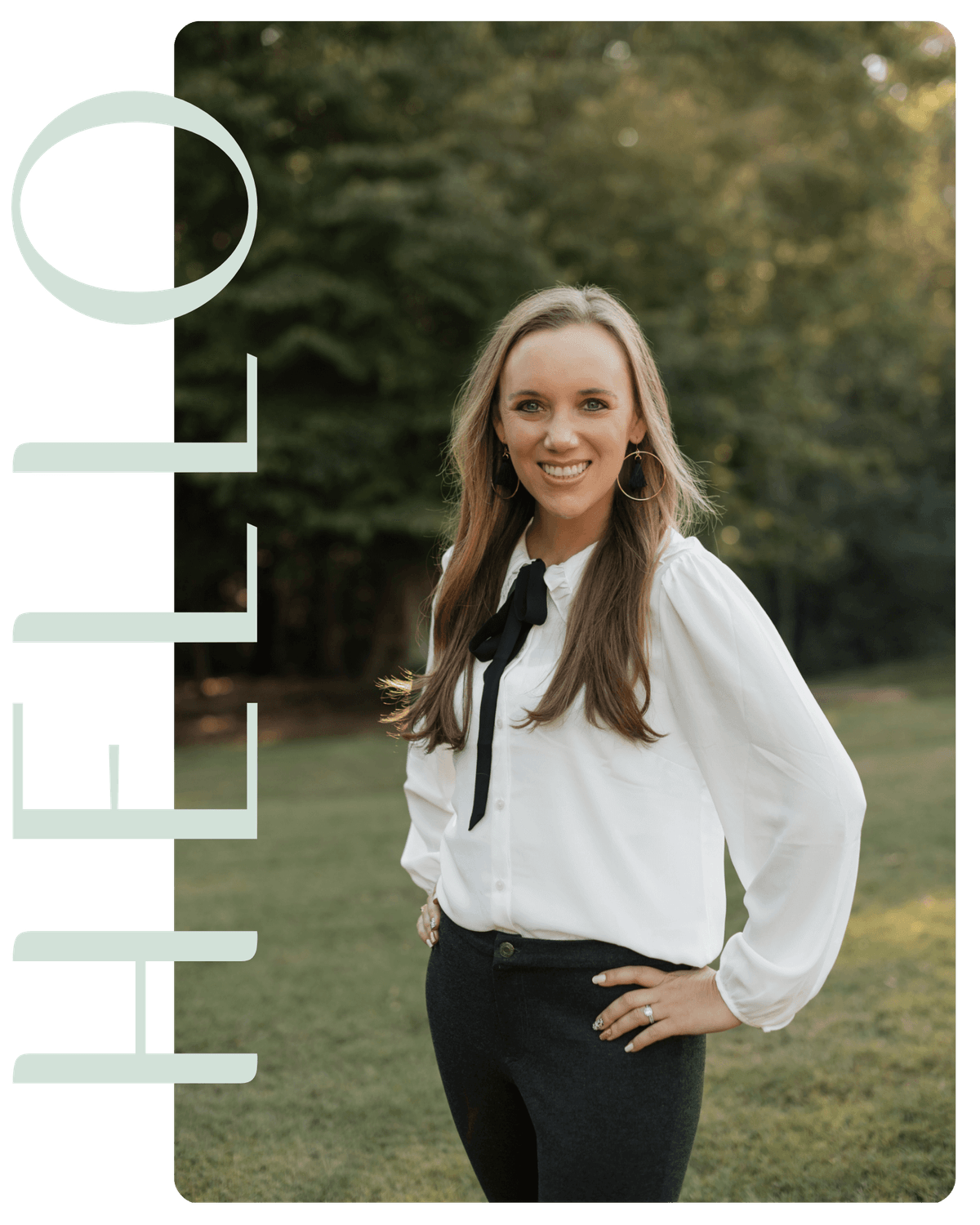
I'm Courtney
I am the founder of Working Moms Movement. I’m also a wife and mom of two boys, a former culture and organizational change executive, an avid traveler, and a lover of sparkling wine.
I help working moms go from stretched thin and stuck in their to-do list to in control and fully present for what matters in their career, family, and wellbeing. Most of my work lives at the intersection of burnout, boundaries, and sustainable performance, because life shouldn’t require running on empty to hold it all together.
Let's stay connected!



Start with clarity
TAKE THE BOUNDARY SELF-CHECK QUIZ
If something here feels familiar but you’re not sure what to do next, this is a simple place to begin. The Boundary Self-Check Quiz helps you see where your time, energy, and emotional bandwidth are quietly being stretched thin, often in ways you don’t even realize.
It’s designed to bring clarity, not add more to your plate.
Browse what's next...
Work Together
Helping working moms go from stretched thin and stuck in their to-do list to in control and fully present for what matters in their career, family, and wellbeing.
Follow Along
©2026 Working Moms Movement | Designed By Zestful Media & Design