Escaping overwhelm starts with a planning system your brain can trust
Listen to Episode 76
There’s a moment I see happen with almost every working mom I talk to.
Her brain feels like a browser with 47 tabs open…and three of them are playing music she can’t find (you know what I mean here…clicking around to find that annoying ad that won’t stop!).
It probably goes something like this…
The school form that needs to be signed.
The dentist appointment she meant to schedule.
The Amazon return sitting by the door.
The email she needs to respond to before tomorrow’s meeting.
Truth-be-told, none of these are particularly catastrophic, but collectively they create a compounding pressure that sits in the background of the day.
My fellow working mom isn’t lazy. Nor is she disorganized or incapable. Despite that though, she wakes up already feeling behind and moves from task to task reacting to what’s loudest.
And at some point she starts wondering:
Why does everything feel so (blankety-blank!!!) overwhelming when none of these things are that big? Also, why won’t this feeling ever stop, and where is MY nap and snack. …or maybe that’s just me.
That question is exactly what led to my conversation with Lisa Woodruff, founder of Organize 365 and author of Escaping Quicksand.
Most of us aren’t floundering because we’re incapable, we’re just are trying to manage modern life without a system designed for how our brains actually work.
The punchline if you’re short on time …
Overwhelm isn’t usually caused by the size of your to-do list; it’s caused by constant interruptions and unfinished decisions competing for your attention.
Planning systems reduce overwhelm because they move information out of your working memory and into a trusted structure.
Many working moms live in a constant state of reactive decision-making, which quietly drains cognitive energy.
Sustainable organization isn’t about productivity hacks. Instead, it’s more about building planning rhythms that reduce cognitive load before stress accumulates.
When you trust your planning system, your brain stops trying to remember everything at once.
Why does life feel so overwhelming even when nothing is “that big”?
Most overwhelm isn’t created by massive problems, it’s created by the accumulation of problems. Think…
…small responsibilities.
…loose ends.
…interrupted tasks.
…decisions you meant to make later.
Every single micro-problem requires a small amount of mental energy to hold onto.
And, of course, your brain can’t chill the heck out. It tries to keep track of it all…jussssstttttt in case.
It’s not surprise that your quiet background tracking becomes exhausting. Ironically, for many people it starts out feeling like a time problem, but in reality is actually a cognitive capacity problem. Your brain was just never meant to store HUNDREDS of open loops.
What is a planning system, and why does it reduce overwhelm?
A planning system is a structured way to capture, organize, and revisit responsibilities outside your working memory.
It moves information out of your head and into a reliable process you review regularly.
This matters because your brain is designed for thinking and decision-making, not for storing an endless list of future tasks. So when your responsibilities start to live in a trusted planning system, your brain stops trying to remember everything at once. (HALLELELUJAH!) For most, this shift alone dramatically reduces the feeling of overwhelm.
The hidden role interruptions play in overwhelm…
One of the most interesting parts of my conversation with Lisa was how she described interruptions. Most people think interruptions are just annoying (also true!), but interruptions actually do something deeper: they fragment your cognitive flow. Think about it: You start something. You get interrupted. You switch to something else, and then your brain keeps trying to remember the unfinished task you were doing before.
If you multiply that pattern across a full day, suddenly your brain is tracking:
unfinished tasks
future tasks
interrupted tasks
decisions you postponed
This is where (and why!) overwhelm starts to build. It’s not necessarily from one big responsibility, but from dozens of incomplete mental loops.
Why planning reduces stress more than productivity hacks…
I talk a lot about building systems, because it helps everyone in your household know what to expect. Lisa reinforced this same concept through focusing on the importance of predictability. Essentially, when you know there’s a specific time you’ll handle paperwork, decisions, or household logistics, your brain stops trying to solve those problems all day long. That’s also a huge win for your nervous system!
Planning creates boundaries around thinking.
Instead of reacting to every responsibility the moment it appears, you capture it and deal with it during a dedicated planning rhythm. The moment your brain trusts that a system exists, it stops trying to carry the entire household inside your head.
About the podcast episode
In this episode of The Life Management System, I sit down with Lisa Woodruff, founder of Organize 365 and author of Escaping Quicksand, to talk about why so many busy women feel overwhelmed even when they’re capable and hardworking.
We unpack:
why interruptions quietly create cognitive overload
how unfinished decisions drain mental energy
why planning systems reduce overwhelm
how organization supports sustainable performance at home and work
the difference between reacting to life and designing systems that support it
If overwhelm has been sitting in the background of your life lately, this conversation will help you understand why. And, more importantly, how to start changing it.
Related conversations you might find helpful
Episode 67: Why burnout sneaks up on high performers
Episode 73: Why managing your energy matters more than managing your time
Boundary Self-Check Quiz (3-minute clarity tool)
Where you can get started…
If you’ve been feeling overwhelmed lately, the first step isn’t getting more checked off your to-do list, it’s noticing what your brain is trying to carry alone. Sometimes relief starts with something simple, like writing down the things you’re trying to remember so your mind can finally rest.
If this conversation resonates with you, listen to the full podcast episode. And if you want to better understand where your energy is leaking right now, the Boundary Self-Check Quiz is a helpful place to begin.
Key insights:
Overwhelm is often a capacity problem, not a motivation problem.
Interruptions create cognitive overload by leaving multiple mental loops unfinished.
Planning systems reduce stress by moving responsibilities out of working memory.
Sustainable organization is about predictable rhythms, not perfect productivity.
When your brain trusts a system, it stops trying to remember everything.
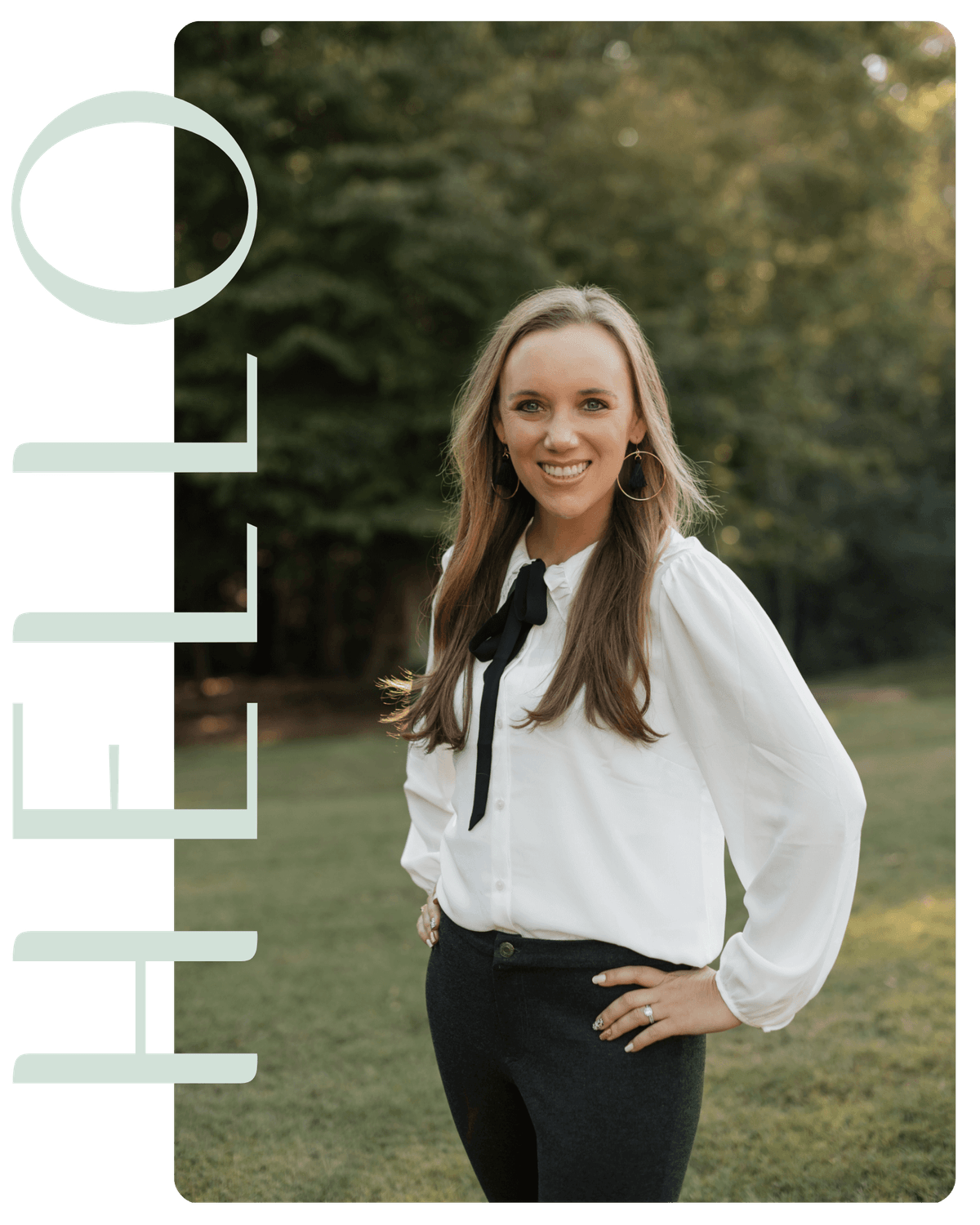
I'm Courtney
I am the founder of Working Moms Movement. I’m also a wife and mom of two boys, a former culture and organizational change executive, an avid traveler, and a lover of sparkling wine.
I help working moms go from stretched thin and stuck in their to-do list to in control and fully present for what matters in their career, family, and wellbeing. Most of my work lives at the intersection of burnout, boundaries, and sustainable performance, because life shouldn’t require running on empty to hold it all together.
Let's stay connected!



Start with clarity
TAKE THE BOUNDARY SELF-CHECK QUIZ
If something here feels familiar but you’re not sure what to do next, this is a simple place to begin. The Boundary Self-Check Quiz helps you see where your time, energy, and emotional bandwidth are quietly being stretched thin, often in ways you don’t even realize.
It’s designed to bring clarity, not add more to your plate.
Browse what's next...
Work Together
Helping working moms go from stretched thin and stuck in their to-do list to in control and fully present for what matters in their career, family, and wellbeing.
Follow Along
©2026 Working Moms Movement | Designed By Zestful Media & Design