The quiet way modern work burns you out…
Listen to Episode 70
I want to start with something I hear all the time from corporate moms, and maybe you’ve thought this too:
“I actually like my job. So why am I so tired all the time?”
Not the kind of tired that sleep fixes. The deeper kind. The kind that shows up as irritability, guilt, brain fog, or that constant low-grade sense that you’re failing at something (errr, or everything!?) even when you’re doing everything you’re supposed to do.
Then starts the spiral talk-track….
”I should be more grateful.”
“I’m not capable.”
“So and so is terrible with boundaries.”
It’s because modern work was not designed with caregivers in mind, and yet it quietly expects you to operate as if caregiving doesn’t exist.
When work isn’t toxic, but it’s still unsustainable…
Here’s the part that makes this so confusing: for many corporate moms, work doesn’t look broken.
Perhaps you have a good salary. A meaningful role. A manager who genuinely cares. Flexibility on paper. Maybe even work you’re proud of.
And yet, you’re depleted.
That’s because burnout doesn’t only come from overtly bad workplaces. It also comes from systems that rely on invisible labor, especially from women who are highly competent, deeply responsible, and used to carrying more than their share.
Modern work often assumes:
Someone else is handling childcare logistics
Someone else absorbs the household mental load
Someone else has the flexibility when plans fall apart
And guess what happens when you are that someone. Exactly. You end up doing two full-time jobs – one paid, one unpaid – while being told you’re “lucky” to have flexibility at all.
The return-to-office conversation no one wants to have…
One of the clearest examples of this disconnect is the ongoing push to bring people back into the office.
On the surface, return-to-office mandates are framed as culture-building, collaboration-enhancing, or performance-driven.
Yady-yady-yah. I say this as a former culture executive. That narrative is gaslighting. Propinquity (i.e., the feeling of proximity and closeness) is fostered through intentionality, not the convenience of physical proximity.
When you look closer – especially through the lens of caregiving – a different story emerges.
For many parents, returning to the office doesn’t just mean commuting again. It means:
Fewer options when a child is sick
Less ability to absorb school-day disruptions
More reliance on backup care (that may not exist)
Increased stress layered onto already full lives
But we all know that “parents” is actually code for “moms”.
Research continues to show the return-to-office impact on moms is real, and often career-altering. Women are more likely to downshift, opt out, or quietly disengage when flexibility disappears. Not because they lack ambition, but because the system leaves them no other sustainable choice.
Leadership matters more than personal resilience
One of the most important shifts I want you to hear is this:
Burnout is not primarily a personal failure. It’s a leadership issue.
In my conversation with Amanda Litman – author, activist, and co-founder of Run for Something – we talk openly about the role leaders play in shaping whether work is hard and healthy, or hard and soul-draining.
Clear expectations. Trust. Flexibility with guardrails. Treating employees like adults with full lives.
These aren’t perks. They’re prerequisites, especially for caregivers.
When leaders cling to outdated models of productivity or default to “this is how I did it,” they unintentionally perpetuate systems that reward overwork and punish caregiving.
But when leaders choose to design work differently, the ripple effects extend far beyond the office.
A conversation every corporate mom deserves to hear
In episode 70 of The Life Management System, I sit down with Amanda Litman to unpack why modern work is burning out caregivers, even when they love their jobs.
We talk about:
Why work can be hard without being intentionally miserable
The false narrative that suffering is a prerequisite for success
How leadership choices directly impact caregivers’ lives
What it actually looks like to design work for real humans
This isn’t a rant. And it isn’t a list of hacks.
It’s an honest, grounding conversation about responsibility and possibility between two women who are career studies of organizational strategy.
And ya know, if this feels personal, it’s because it is…
If you’re reading this and feeling seen, that’s not accidental.
You’re not failing.
You’re not asking for too much.
And you’re not alone in feeling like something about work just isn’t adding up.
You don’t need to push harder.
You need systems – at work and at home – that stop asking you to be superhuman.
If you want to hear this conversation in full, I invite you to listen to the episode.
And if you’re starting to wonder where your energy is leaking – and what boundaries might actually help – you can explore my Boundaries Self-Check as a next step.
3 minutes can give you the clarity regarding where you find more breathing room.
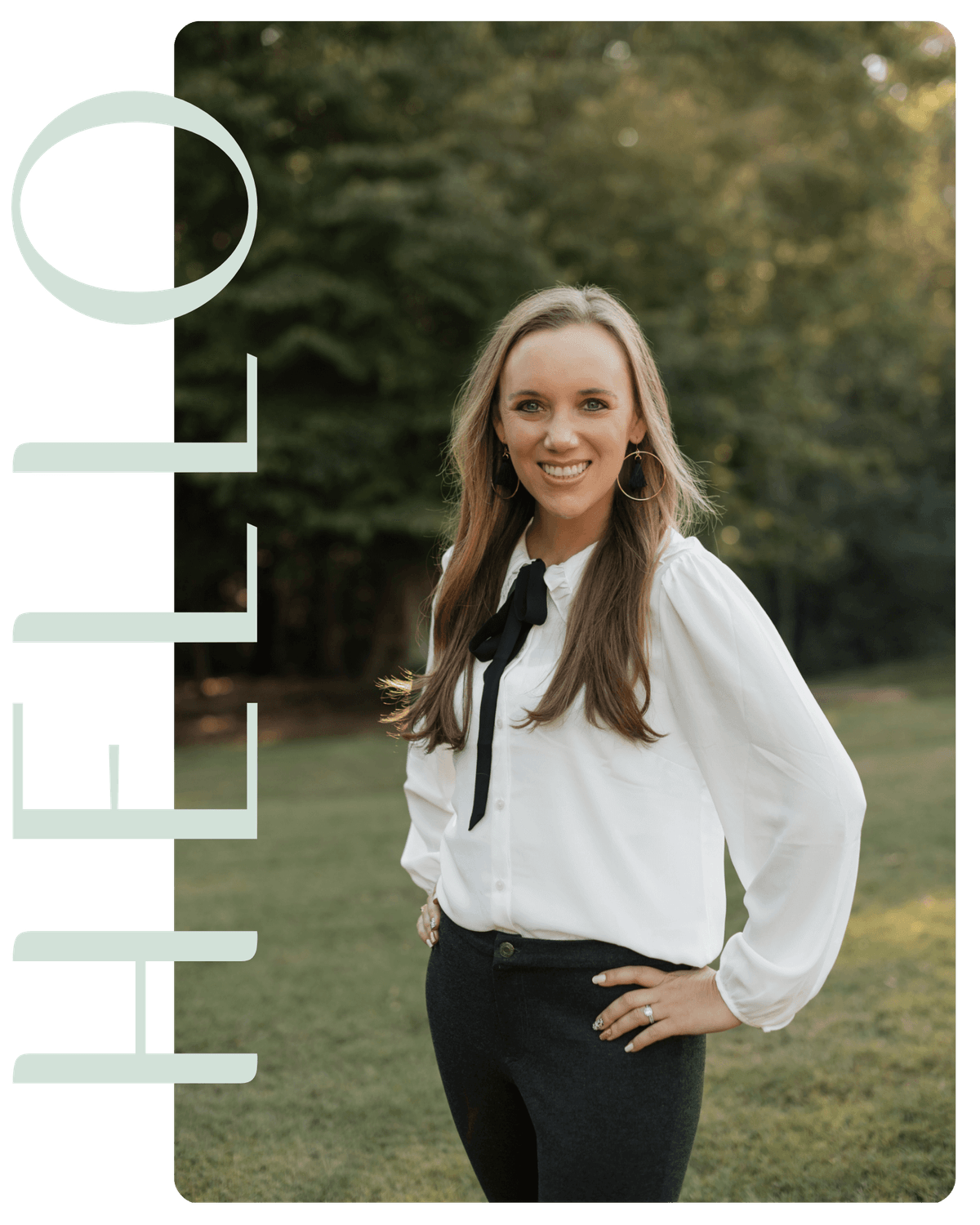
I'm Courtney
I am the founder of Working Moms Movement. I’m also a wife and mom of two boys, a former culture and organizational change executive, an avid traveler, and a lover of sparkling wine.
I help working moms go from stretched thin and stuck in their to-do list to in control and fully present for what matters in their career, family, and wellbeing. Most of my work lives at the intersection of burnout, boundaries, and sustainable performance, because life shouldn’t require running on empty to hold it all together.
Let's stay connected!



Start with clarity
TAKE THE BOUNDARY SELF-CHECK QUIZ
If something here feels familiar but you’re not sure what to do next, this is a simple place to begin. The Boundary Self-Check Quiz helps you see where your time, energy, and emotional bandwidth are quietly being stretched thin, often in ways you don’t even realize.
It’s designed to bring clarity, not add more to your plate.
Browse what's next...
Work Together
Helping working moms go from stretched thin and stuck in their to-do list to in control and fully present for what matters in their career, family, and wellbeing.
Follow Along
©2026 Working Moms Movement | Designed By Zestful Media & Design